
Bone Health 101
Bone health is an important topic, and since your bones are constantly remodeling there is an opportunity for intervention on bone health at any age. There is a new concept referred to as the bone-brain axis. Recent research suggests that there is a link between osteoporosis and the development of dementia. In addition, more specifically, there appears to be shared neuroinflammatory genes between osteoporosis and a specific form of dementia called Alzheimer’s disease. All the more reason to take good care of your bone health.
Let’s take a look at what that means via a doctor-patient Q and A.
Doctor: Today I’d like to talk with you about bone health. Bones do a lot more than people realize — they protect our organs, help us move, and even house bone marrow.
Patient: I didn’t realize bones did that much.
Doctor: They really do. And because bones change as we age, it’s important to take care of them to reduce the risk of osteoporosis and fractures. The good news is that diet, exercise, and lifestyle choices can make a big difference.
Patient: How exactly do bones work?
Doctor: Bones are living tissue. They’re made up of proteins, collagen, and minerals like calcium. They’re constantly being remodeled based on the stress placed on them.
There are three main types of bone cells:
Osteoblasts, which build new bone
Osteocytes, which maintain bone structure
Osteoclasts, which break down old bone
All three work together to keep bones healthy.
Patient: Does bone health change with age?
Doctor: Yes. Bone mass usually increases until about age 30, when it peaks. After that, it slowly declines. In some people, bone loss happens faster, and their bone density can drop to a level called osteoporosis, meaning the bones become porous and less dense.
Patient: Why is that a problem?
Doctor: Osteoporosis increases the risk of fragility fractures, especially in the hip, wrist, and spine. These fractures can happen from relatively minor falls or stress.
Patient: That sounds serious. Is there anything I can do to prevent it?
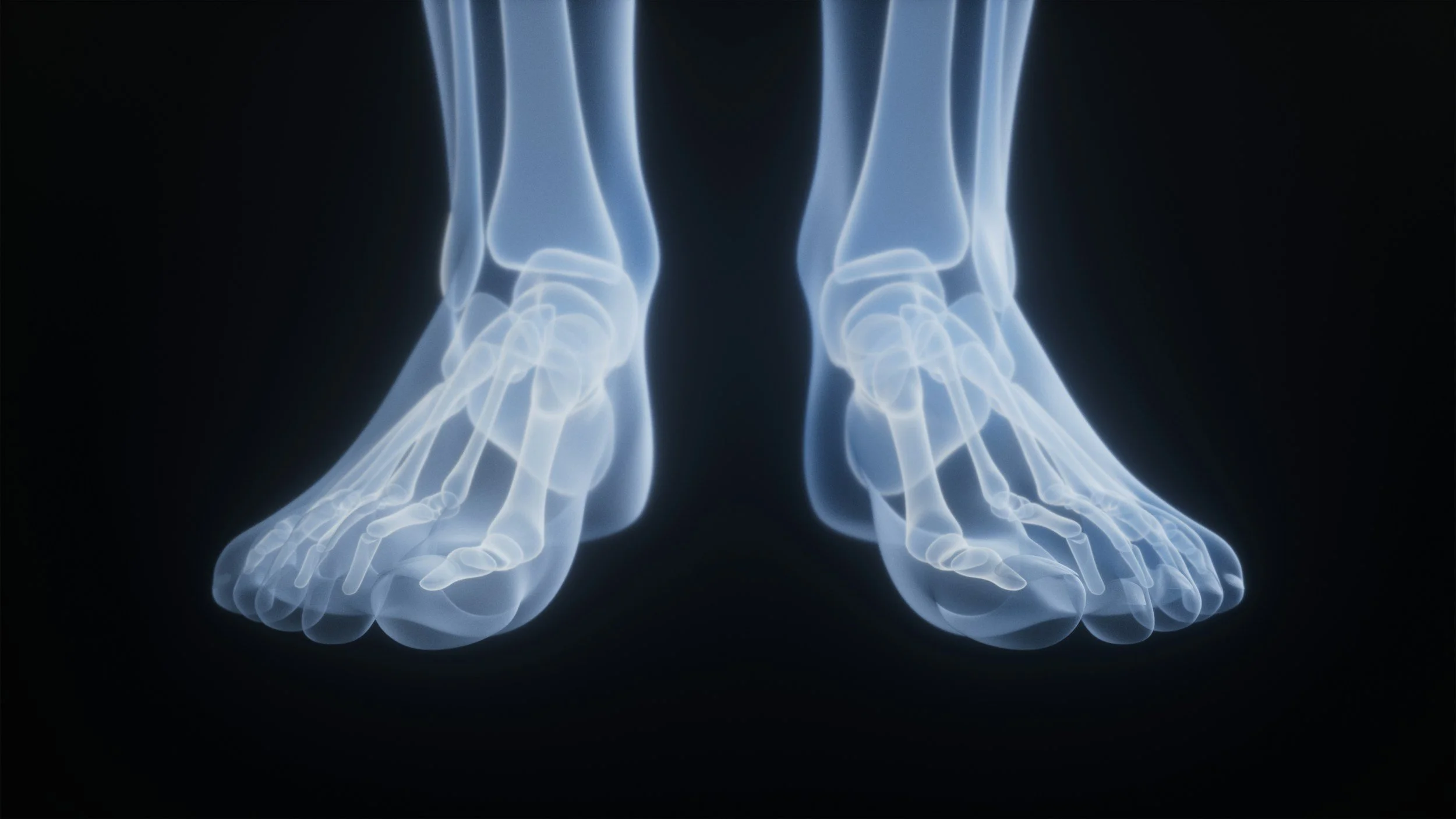
Doctor: Absolutely — and this is the encouraging part. We can positively influence bone density through nutrition, exercise, and healthy lifestyle habits.
Patient: Let’s start with diet.
Doctor: For calcium, adults generally need 1,000 mg per day. That increases to 1,200mg for women over 51 and men over 71. Vitamin D is also essential — adults need 600 IU daily, increasing to 800 IU after age 71.
Patient: What about protein?
Doctor: Protein is important because bones are constantly remodeling. The basic recommendation is 0.8 grams per kilogram of body weight for sedentary adults, but since we want you to stay active, a range of 1.0 to 1.5 grams per kilogram per day is likely beneficial. There is some debate around this, but this range works well for most people.
Patient: Should I take supplements?
Doctor: It’s best to meet your needs through food when possible. Diets like the MIND diet can help meet bone-health requirements. If you’re deficient in something, talk with your physician about supplementation.
Patient: What kind of exercise helps bones?
Doctor: Weight-bearing exercise is key. Aim for 30 minutes per day — walking, hiking, jogging, stair climbing, weight training, or sports all count. You can do it all at once or break it up throughout the day.
Patient: Does it really make that much difference?
Doctor: Yes. Since bones remodel in response to stress, daily weight-bearing activity encourages stronger bones. Try to make it enjoyable and easy to stick with — and a good rule of thumb is don’t miss two days in a row.
Patient: Are there lifestyle factors I should think about?
Doctor: Definitely. Smoking is harmful to bone health, so quitting is strongly recommended. Alcohol should also be limited — no more than two drinks per day for men and one for women. Some newer research even suggests that zero alcohol may be best, so moderation is key.
Patient: Thanks — that actually feels manageable.
Doctor: It is. Small, consistent choices over time can make a big difference in keeping your bones strong and healthy.
In summary, keep it simple for bone health: include at least 30 minutes of weight bearing exercise once daily, make sure you get your targets for vitamin D, calcium, and protein, and make healthy lifestyle choices like not smoking and limiting alcohol consumption. And as an added tip, if a bone or joint hurts for 6 weeks or longer, don’t ignore it, make sure to see your local orthopedist for an evaluation. If you are interested in further reading about the emerging link between osteoporosis and dementia, there are two articles linked below to get you started.
Osteoporosis and risk of dementia among older adults: a population based cohort study
From the Mind to the Spine: The Intersecting World of Alzheimer’s and Osteoporosis
