
Tests, Treatments, and Prevention: A Conversation With One of the World’s Leading Cognitive Neurologists
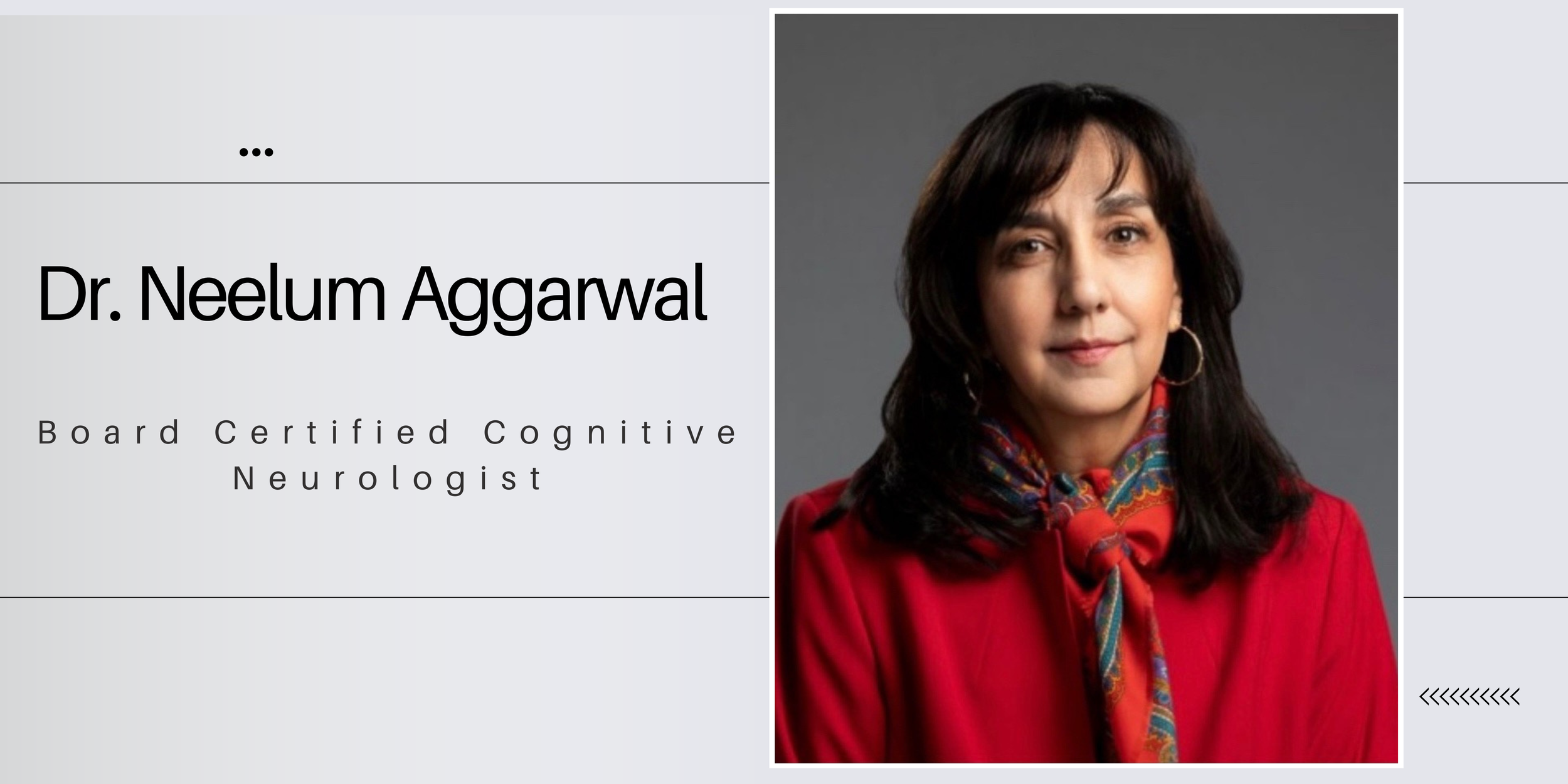
We are thrilled to welcome Dr. Neelum Aggarwal to The Official MIND Diet this month. Dr. Aggarwal is a board certified cognitive neurologist and professor at Rush University Medical Center, where she serves as Senior Examining Neurologist for the Rush Alzheimer's Disease Center and Research Director of the Cardiology Cognitive Clinic at the Rush Heart Center for Women. She is a co-investigator and neurologist on the MIND diet trials, a colleague of our co-founder Jennifer Ventrelle, and a dear colleague and friend of the late Dr. Martha Clare Morris, lead creator of the MIND diet. Today she is sharing everything you need to know about testing, treatment, and the most important things you can do right now to protect your brain health.
OMD: If someone is concerned about their cognitive health, what screenings or biomarkers should they request from their doctor — and what other conversations are worth having at a regular check-up? Who is the right person to see first, and when does it make sense to seek out a neurologist?
Dr. Aggarwal: I always tell people brain health starts long before a diagnosis of dementia. One of the most important things you can do is begin having conversations early with your primary care physician, especially if you notice changes in memory, focus, word finding, sleep, or mood.
For most people, thefirst step is their primary care doctor. If symptoms are progressing, interfering with daily life, or there is a strong family history, a referral to a cognitive neurologist or memory specialist is appropriate for a more comprehensive evaluation and discussion of newer diagnostic tools and treatment options.
At a regular check-up, I encourage people to discuss blood pressure, cholesterol, blood sugar, sleep quality, hearing changes, stress levels, and physical activity. All of these areas matter for brain health — and all of them can be modified and improved. Simple cognitive screening tools can help establish a baseline, and we are now entering an exciting phase where blood-based biomarkers for Alzheimer's disease may help identify underlying changes earlier than ever before.
OMD: How is dementia diagnosed and why does early and accurate diagnosis matter so much?
Dr. Aggarwal: Dementia is not diagnosed with a single test. It is a combination of understanding a person's symptoms, medical history, cognitive testing, neurological examination, brain imaging, and blood-based biomarkers.
One of the biggest myths is that memory loss is a normal part of aging. While some slowing can occur with age, significant changes in thinking, behavior, or daily functioning deserve an evaluation.
Early and accurate diagnosis matters because we now have more opportunities than ever to act. This includes reviewing vascular risk factors, improving lifestyle behaviors, treating sleep issues, reviewing medications, participating in clinical trials, and considering newer therapies for Alzheimer's disease. It also gives patients and families time to plan, learn, and connect with supportive resources while individuals are still functioning at a high level.
OMD: Are there new biomarkers available for Alzheimer's detection and diagnosis, and would you recommend people pursue them?
Dr. Aggarwal: This is one of the most exciting areas in neurology right now. We are now seeing the use of blood-based biomarkers that can help identify Alzheimer’s-related changes in the brain, including markers related to amyloid and tau pathology (both seen in the brains of patients with Alzheimer's disease) very early in the disease. They have the potential to expand access to earlier detection.
Along with this exciting news, there are some important things to mention.
Biomarkers are not meant to replace a full clinical evaluation. They are tools that need to be interpreted along with the symptoms, age, medical history, and other neurological findings.
For some patients these biomarkers may not be accurate - for those with chronic kidney disease, congestive heart failure, liver disease, obesity etc.
I think these tests are becoming increasingly valuable, especially for persons with cognitive concerns, strong family histories, or unclear diagnoses. However, it is important that testing occurs in partnership with a knowledgeable clinician who can explain what the results mean — and equally important, what they do not mean. We are still learning how to best use these tools responsibly and ethically in clinical practice.
OMD: What is an Amyloid PET scan — and who would you recommend gets one?
Dr. Aggarwal: An Amyloid PET scan is a specialized brain imaging study that looks for amyloid plaque buildup in the brain, which is one of the hallmark features of Alzheimer’s disease.
It can be very useful in certain situations — especially when the diagnosis is uncertain; symptoms are atypical, or someone is being evaluated for newer anti-amyloid therapies. These scans are not typically recommended as a general screening tool for everyone. Amyloid can be present years before symptoms develop, and not every person with amyloid goes on to develop dementia.
The decision to get an Amyloid PET scan should be discussed with a neurologist or dementia specialist.
OMD: What treatments are currently available targeting amyloid and tau — and how effective are they?
Dr. Aggarwal: Several anti-amyloid monoclonal antibody therapies have now been approved for individuals with early Alzheimer’s disease. These treatments are designed to help remove amyloid from the brain and may slow cognitive decline in carefully selected patients.
These treatments are not cures and they do not reverse advanced disease. The greatest benefit they have is in the earliest part of the disease process, which is one reason early diagnosis matters so much.
Tau-targeting therapies are also being actively studied and may represent an add on therapy/ treatment.
As I say to all of my patients, medications are only one piece of brain health.
Lifestyle interventions — including nutrition, exercise, sleep, vascular risk reduction, and social engagement — remain foundational.
OMD: The APOE-4 gene is often associated with increased Alzheimer's risk. How much does carrying this gene actually raise your risk — and is there anything someone can do if they know they carry it?
Dr. Aggarwal: APOE-4 is a risk gene — not a destiny gene. Carrying one or two copies can increase a person's risk for Alzheimer's disease, but it does not guarantee that someone will develop dementia. I think this is very important to say clearly, because many people become unnecessarily frightened after learning their genetic status.
What is encouraging is that lifestyle factors still matter a lot — even for people who carry APOE-4. Research shows that controlling vascular risk factors, staying physically active, following healthy dietary patterns such as the MIND diet, maintaining social connection, prioritizing sleep, and engaging in cognitive activities all support brain resilience and overall brain health.
OMD: For someone who is worried about dementia — what are the most important things they can do right now?
Dr. Aggarwal: I would focus on the things that we know support brain health across the lifespan.
Control your blood pressure. Move your body regularly. Prioritize sleep. Stay socially connected. Challenge your brain. Pay attention to hearing loss. Manage stress. And nourish your brain with healthy foods.
The exciting thing is that many of the same habits that support heart health also support brain health. The brain and heart are deeply connected.
I also encourage people not to wait until there is a crisis to think about their brain health. Prevention and risk reduction should begin in midlife — and really, even earlier.
OMD: Dementia and Alzheimer's disease can feel frightening and at times without hope. As a neurologist working in this field every day — what gives you hope, and what would you want people who are worried to know?
Dr. Aggarwal: What gives me hope is that we are finally moving into an era of earlier detection, better understanding of disease biology, and more personalized approaches to brain health.
I have hope because we are learning how powerful lifestyle and vascular health are in shaping cognitive aging. We are not just talking about one treatment — we are talking about prevention, resilience, and optimization of brain health across the lifespan.
I want people to know that a diagnosis is not the end of the story. People can still live meaningful, connected, purposeful lives. Families can still experience joy. Many people don't realize that they have quite a bit of control over their brain health.
Bonus Question
OMD: Here at The Official MIND Diet we believe brain healthy eating should be delicious and joyful. What is your favorite brain healthy meal — and what is the one brain health practice you would never give up?
Dr. Aggarwal: One of my favorite brain healthy meals is a South Asian inspired salmon or grilled fish dish made with turmeric, garlic, ginger, cilantro, and olive oil, served with lentils or sautéed greens and plenty of vegetables. I always look for ways to weave MIND diet ingredients into the flavors and spices of my cultural background — and I think that is actually one of the biggest misconceptions about brain healthy eating. It does not have to feel bland. Some of the most flavorful cuisines in the world naturally incorporate ingredients that are powerful for brain health.
And the one practice I would never give up? Movement. Physical activity remains one of the most powerful tools we have for supporting both brain and vascular health — and it is something everyone can start today.
A heartfelt thank you to Dr. Aggarwal for sharing her expertise and her time with our community. Her work in this field is making a real difference — and we are so grateful to have her voice in this newsletter.