

Nourishing Two Brains at Once
Explore how the MIND diet supports pregnancy and download our exclusive MIND Foods Tracker for Pregnancy to help translate evidence-based guidelines into everyday meals—without perfection or pressure.
Pregnancy: A Brain Health Window for Mother and Baby
The physical changes of pregnancy are accompanied by profound neurological shifts driven by hormones, sleep changes, metabolism, inflammation, and increased nutrient demands. Research shows that a mother’s nutrition influences her cognitive function, mood regulation, and inflammatory balance, while early nutrition plays a critical role in fetal brain development long before birth. The MIND Foods Tracker for Pregnancy was created to help translate this science into gentle, practical daily habits that support brain health during this unique and transformative season.
MIND Diet Principles During Pregnancy
Why Pregnancy Is a Brain Health Window
Any mama who has experienced “pregnancy brain” knows that this miraculous process is not just a physical shift — it’s also a neurological transformation. Changes in hormones, sleep, metabolism, mood, body weight, inflammation, and nutrient needs are happening moment by moment.
We know from research that:
A mother’s nutrition influences her cognitive function, mood regulation, and inflammation.
Early nutrition influences fetal brain development long before birth.
So, the question becomes:
Can we eat in a way that supports BOTH? That’s exactly where the MIND diet shines.
🥬 The MIND Diet During Pregnancy: What Stays the Same?
The foundational principles are unchanged:
Emphasis on dark leafy greens, other colorful vegetables, and berries
Extra-virgin olive oil (EVOO) as the primary fat
Lean protein from poultry, fish and seafood, nuts and seeds, and beans
High quality fiber from whole grains, beans and legumes
Limited red and processed meats, butter, and full-fat cheese
Limited fried foods and sweets and sweet drinks
These food habits support mom’s AND baby’s brain.
👶 What Needs to Be Modified for Pregnancy?
The USDA Dietary Guidelines for Americans (DGA) emphasize that during pregnancy, nutrition should focus on meeting increased nutrient needs through a balanced eating pattern, appropriate weight gain, and avoidance of unsafe foods and substances.
Below, we’ve merged the latest MIND diet targets with these pregnancy-specific DGA recommendations for a healthy, happy pregnancy for both mom and baby:
Food Target Quantities. The MIND diet encourages plenty of veggies, lean proteins, and healthy fats and pregnancy is the perfect time to lean in a little more. Growing a baby boosts your nutrient needs, especially for folate, healthy fats, antioxidants, and omega-3s.
Aim for:
2 servings of leafy greens daily (up from one 1-cup serving daily), ensuring adequate folate and antioxidant intake
2 servings of other vegetables daily (up from one ½-cup serving daily), supplying additional antioxidant and anti-inflammatory nutrients
1 serving of berries daily (up from five ½-cup servings weekly), maximizing flavonoid content beneficial for mom and baby brain development
1 serving of nuts daily (up from five 1-ounce servings per week), boosting healthy fats and plant-based sources of omega-3s
2 servings fish per week (up from 1 serving weekly), maximizing the important DHA omega-3 fatty acids most usable for the body and brain
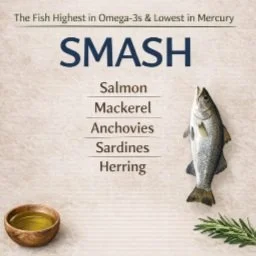
Choose low mercury, high omega-3 fatty fish, an easy way to remember the most brain-beneficial fish with the lowest amount of mercury is in the acronym “SMASH”
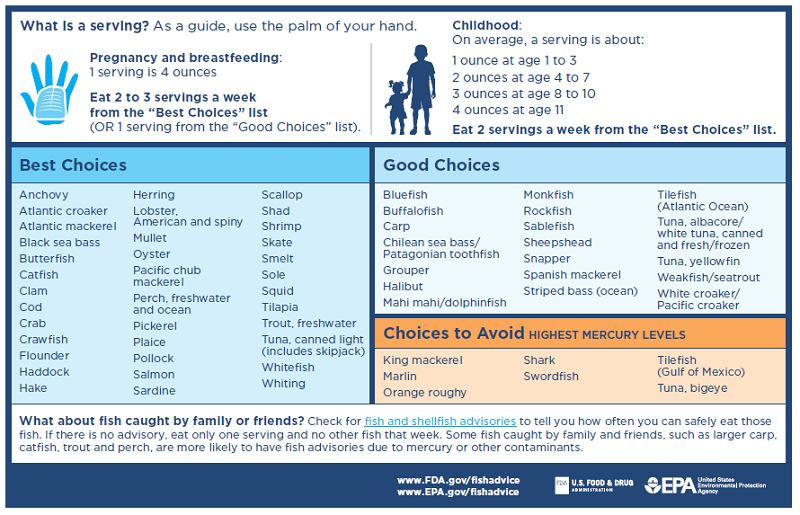
Here’s a chart from the DGA to help you choose which fish to eat and how often to eat them:
Calories. If you’ve been following the MIND diet, you know we don’t recommend counting calories; however, pregnancy is a time to bring awareness to your overall intake to ensure you’re getting enough. Your body needs the extra fuel to build all those brand-new fingers, toes, and a beautiful growing brain! In general, about an additional 300 calories per day in the 2nd & 3rd trimesters, depending on activity level.
Protein: Increased needs (about 20–30% of total calories)
Seafood: 8–12 oz/week of low-mercury fish – See SMASH guidelines above
Dairy: 3 servings/day for calcium and iodine
Hydration: ~12–13 cups/day (think five 20oz Yetis!)
AVOID: raw seafood, certain fish (see DGA infographic above),unpasteurized cheeses, deli meats (unless steamed), and excessive caffeine
But here’s the best part…
➡️ You don’t have to perfectly “follow a diet.”
This is about consistent, brain-supporting patterns and food safety.
To help you out a bit, we want to give you access to our MIND Diet Tracker for Pregnancy:
Gently monitor daily and weekly MIND targets (without calorie counting)
Keep pregnancy-specific goals front and center (leafy greens, berries, nuts, fish, hydration)
Focus on patterns over perfection
Think of it as a supportive guide — not a report card. We don’t have direct research on the added “pregnancy foods” as a part of the MIND diet and maternal cognitive outcomes, so adding these extras won’t change your MIND score, but they will support the increased nutrient demands of pregnancy and fetal brain development.
You can print it, use it digitally, or simply use it as a visual reminder. The goal is not perfection — it’s consistent nourishment for two developing brains.
Stay Connected
Receive monthly updates with the latest research, tools, recipes, and programs to support brain health across the lifespan.