
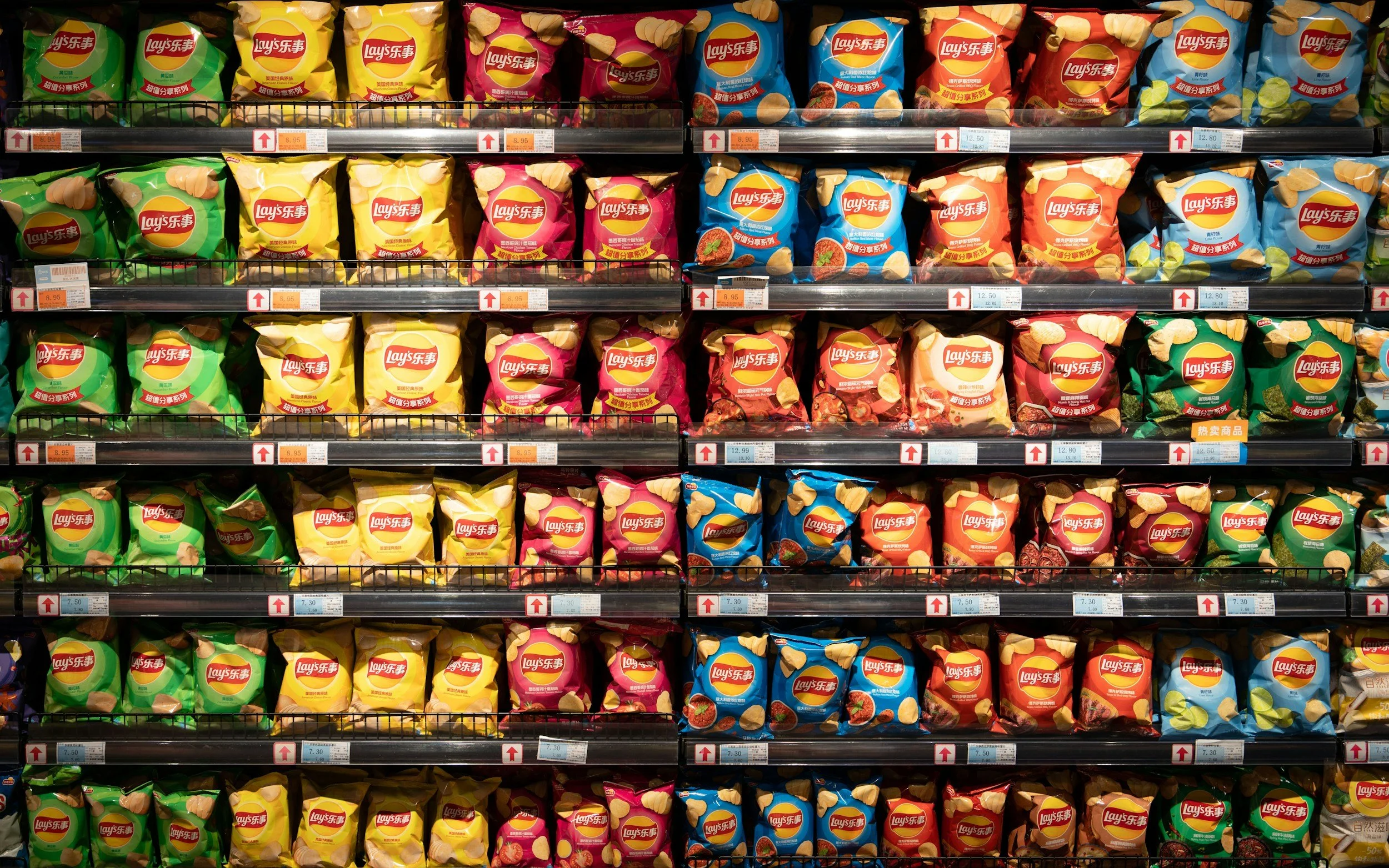
In December 2025, The Lancet released the first research article in a three-part series examining ultra-processed foods (UPFs) and human health. Rather than focusing on individual nutrients, this research looks at dietary patterns—specifically how the degree of food processing shapes what we eat, how we eat, and long-term health outcomes
Using the NOVA food classification system, researchers group foods based on how much and why they are processed. The findings reinforce a simple but powerful idea: the closer a diet is to whole, minimally processed foods prepared as meals, the better it supports long-term health.
What the Research Found
Across more than 100 prospective studies and several controlled trials, diets high in UPFs were consistently associated with increased risk of obesity, type 2 diabetes, cardiovascular disease, depression, kidney disease, and earlier mortality, many of which are known risk factors for Alzheimer’s Disease. Importantly, the strength of these associations was similar—though in the opposite direction—to the protective effects seen with Mediterranean-style dietary patterns like the MIND diet.
In other words, what protects health is not avoiding a single food, but regularly eating meals built from whole and minimally processed ingredients—the foundation of Mediterranean and MIND-style diets.
Ultra-processed foods are increasingly replacing traditional eating patterns. Across much of the world, especially in high-income countries, UPFs now account for a substantial share of daily calories. Where these foods become dominant, meals based on whole or minimally processed ingredients tend to decline.
Higher intake of ultra-processed foods is associated with poorer overall diet quality. Diets high in UPFs consistently contain more added sugars, unhealthy fats, and energy density. They also tend to have less fiber, essential micronutrients, and plant-derived bioactive compounds that support metabolic and brain health.
Clinical trials help explain why patterns matter. Controlled feeding studies demonstrate that diets high in UPFs lead to higher calorie intake and weight gain even when calories and macronutrients are matched, highlighting the role of food structure, texture, and eating rate—not just nutrients.
Why Processing Matters in Everyday Eating
UPFs are not just “processed,” they are industrial formulations often designed to trigger messaging in the brain that tells us to eat quickly, frequently, and in large amounts. Research shows they tend to:
Promote overeating due to soft textures and hyper-palatability
Displace berries and other fruits, leafy greens and other veggies, legumes, and whole grains
Reduce intake of fiber and plant-based protective compounds
Increase exposure to additives and packaging-related chemicals
FAQs:
What Counts as Ultra-Processed?
Ultra-processed foods are industrially formulated products made with multiple ingredients, including additives like flavorings, emulsifiers, sweeteners, and preservatives that aren’t typically used in home cooking and are designed to be ready-to-eat or drink. Examples include packaged snacks, ice cream, mass-produced breads, and artificially sweetened yogurts.
Are all processed foods “bad”?
No. Processing exists on a spectrum. Many healthy foods like frozen vegetables, canned beans, plain yogurt, and even extra-virgin olive oil are processed but not ultra-processed.
Is bread ultra-processed?
Sometimes. Bread made with simple ingredients (flour, water, yeast, salt) is considered processed and can fit into a MIND-style eating pattern. Althought, many packaged breads become ultra-processed when they include emulsifiers, preservatives, refined starches, or added sugars. The message: read your ingredients list!
What about meat and other protein foods?
Fresh or frozen meat, poultry, fish, eggs, beans, and lentils are minimally processed. Reconstituted products like hot dogs, nuggets, and some deli meats are typically ultra-processed.
Is convenience food always ultra-processed?
Not at all. Foods like frozen vegetables, canned tomatoes, canned beans, and simple soups can be convenient and supportive of MINDful eating.
What’s the big picture takeaway?
This research isn’t about perfection or avoiding individual foods. It’s about patterns over time. Diets centered on whole and minimally processed foods like the MIND Diet Foods to Choose are consistently linked to better long-term health.
Meanwhile, diets lower in UPFs naturally encourage slower eating, more satiety, and greater dietary variety.
What This Looks Like on Your Plate
Applying this research does not require eliminating foods or cooking everything from scratch. Instead, it supports gradual shifts toward less processed versions of foods you already eat:
Proteins – Favor fresh poultry, fish & seafood, beans, lentils, eggs, tofu, over reconstituted meats like hot dogs, nuggets, or deli products. Try this delicious roasted salmon and kale recipe that incorporates a plethora of MIND foods.
Grains – Choose whole grains like oats, brown rice, quinoa, or minimally processed breads with short ingredient lists instead of sugary breakfast cereals or packaged baked goods. These Hippie Oat Bowls made a hearty breakfast or easy snack.
Dairy – Opt for plain yogurt or milk and add berries and a touch of honey yourself, rather than flavored yogurts with added sugars and stabilizers. This Greek yogurt recipe adds nut butter for a flavor-rich nutrient boost.
Snacks – Reach for nuts & seeds, berries, homemade hummus with vegetables, or leftovers instead of packaged snack foods designed to be eaten MINDlessly. Plan ahead for healthy snacks to avoid falling into an ultraprocessed pitfall.
Meals – Meals don’t need to be elaborate—simple combinations like beans and vegetables over whole grains, soups, stir-fries, or sheet-pan meals all align with lower-processing patterns. Find a plethora of brain-health meals in our MIND Diet Recipe Bank.
Meal planning – Use a simple structure like our MIND Plate for Meal Planning to build balanced meals around whole, minimally processed foods and rely less on ultra-processed convenience options.
These shifts reflect the same dietary patterns repeatedly shown to be protective in Mediterranean and MIND diet research.
Why This Matters for the MIND Diet
The MIND diet is built on exactly the pattern highlighted in this Lancet series: meals centered on whole and minimally processed foods, prepared regularly, and eaten consistently over time.
This research reinforces that the benefits of the MIND diet don’t come from perfection—but from repeatedly choosing foods that are closer to their original form and combining them into meals.
Putting the research into practice
At OMD (Official MIND Diet) our goal is to make this evidence actionable and realistic. If you’re looking to apply these findings in daily life:
Explore our MIND Diet on a Budget page for affordable, whole-food meal ideas
Easily track your brain-healthy eating with our MIND Foods Tracker to see how your eating habits can improve with a few small changes
Learn more about our MIND Diet programs, which support sustainable, pattern-based changes over time
Continue the conversation by joining our Official MIND Diet Substack for deeper dives into nutrition research, real-world guidance, and ongoing conversations about brain health
The next two papers in this Lancet Series will focus on policy and food-system influences on ultra-processed diets. We’ll continue to share insights as the research evolves—always grounded in evidence and real-life application.
